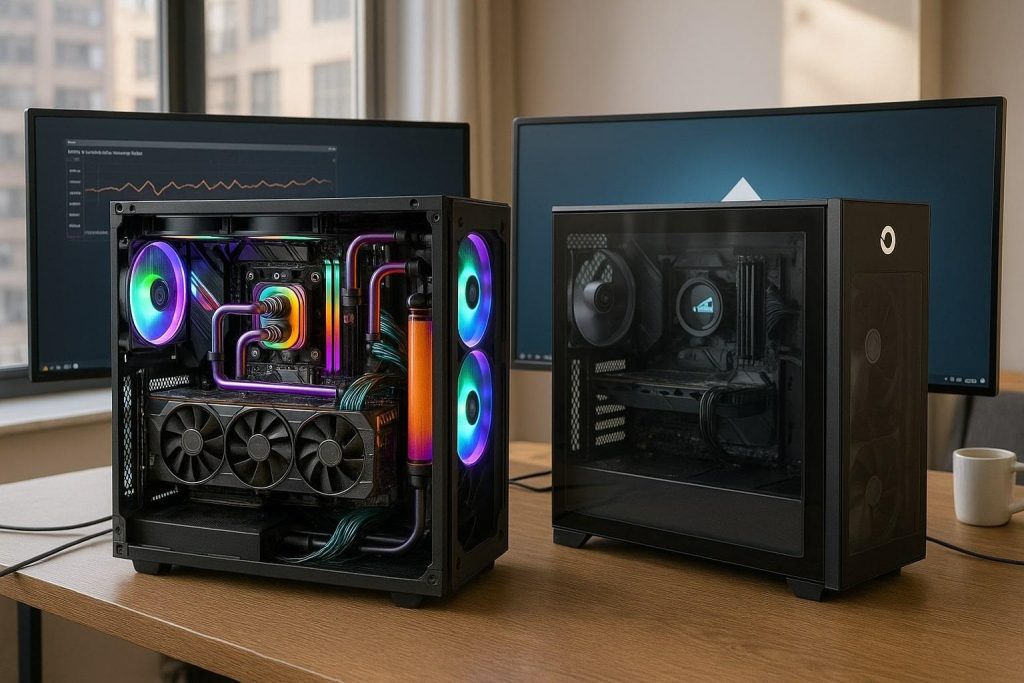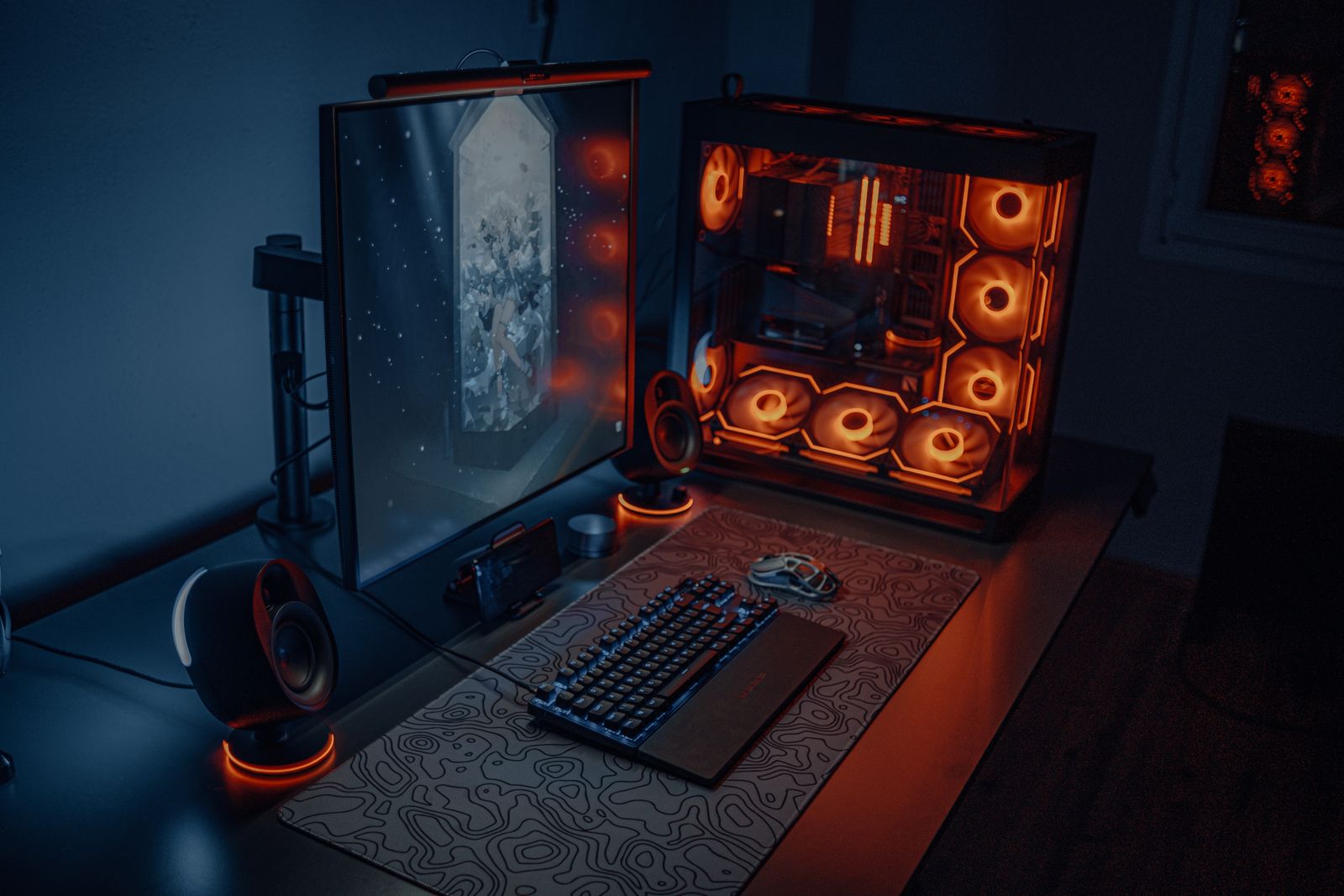
Still think you need $3000+ to game seriously in 2026? Think again. A solid gaming PC + peripherals + complete desk setup for under $1500? Absolutely doable. The secret isn’t magic6it’s knowing where to spend smart in 2026.
Real talk: Hardware prices have shifted in 2026. GPU pricing is more competitive. DDR5 is finally affordable. You can build a killer setup without spending fortune.
The 2026 budget breakdown ($1500 total)
| Component | 2026 Budget | Sweet Spot |
| Gaming PC (tower) | $700–850 | Ryzen 5 7500 or i5-14400 + RTX 4070 Super |
| Monitor | $200–280 | 1440p 144Hz+ or 1080p 240Hz+ |
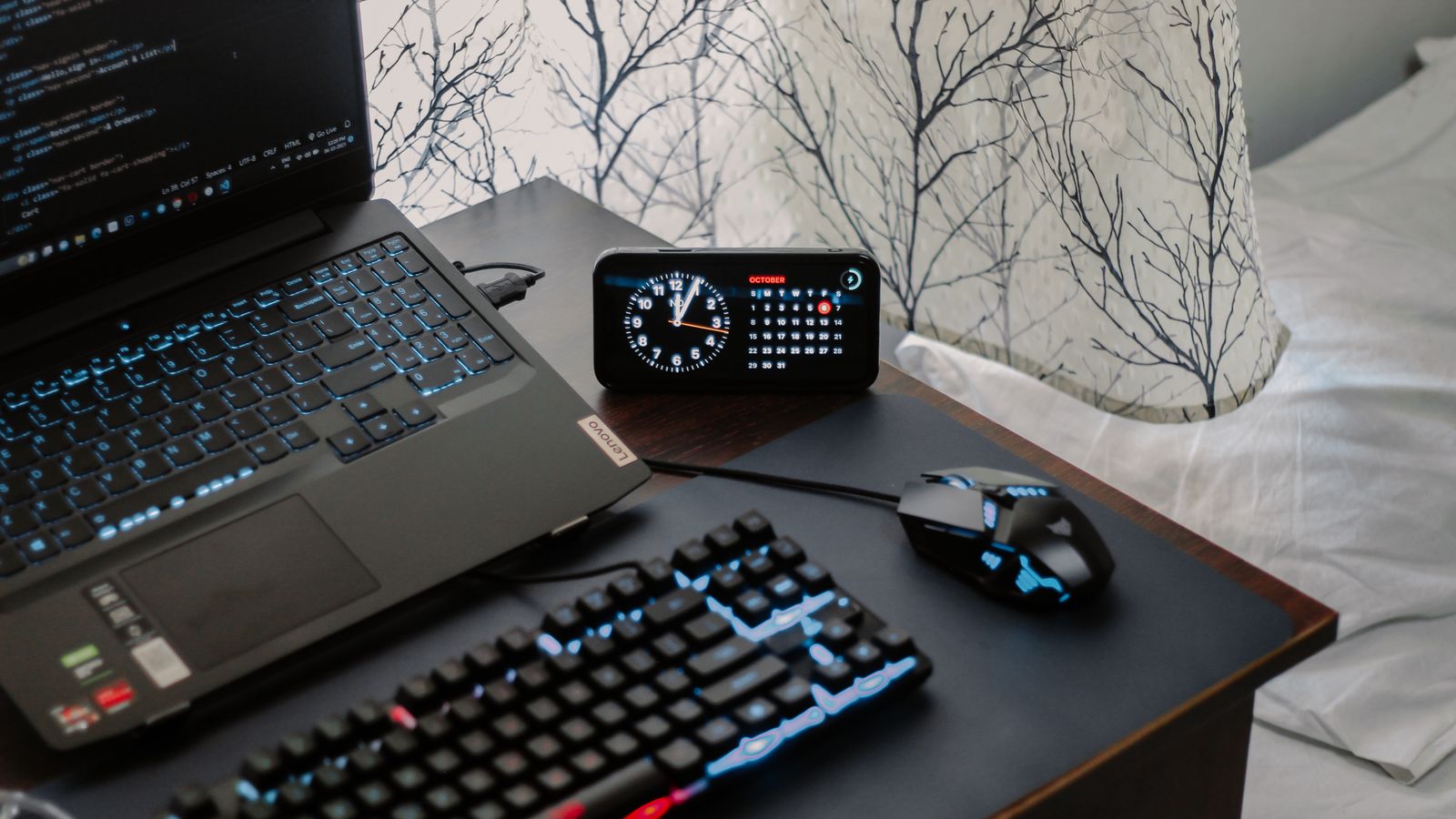
| Keyboard | $60–90 | Mechanical hotswap, budget brand |
| Mouse | $30–45 | Lightweight, 8K polling rate |
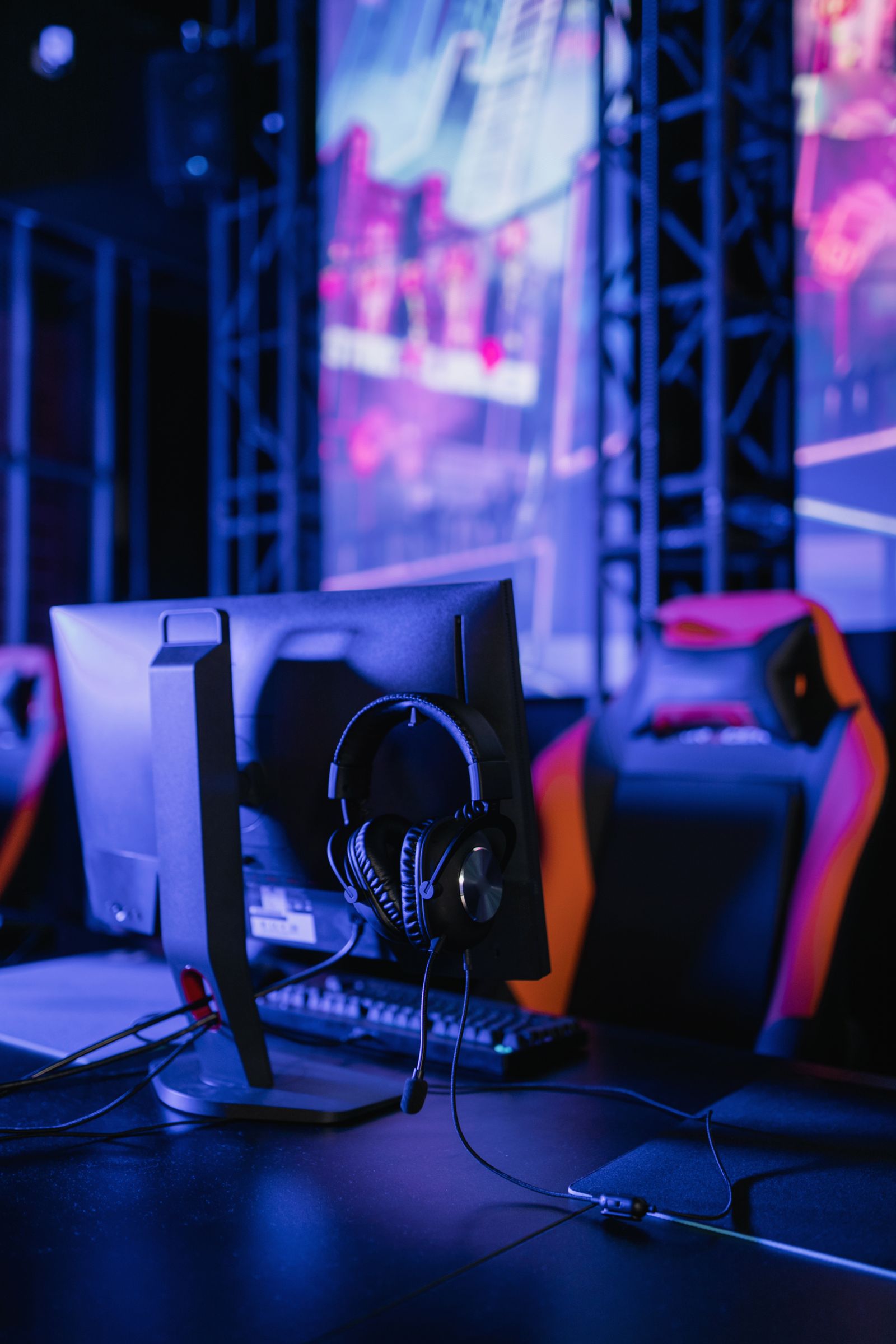
| Headphones/Headset | $45–70 | Quality audio, wired mic optional |
| Desk + Chair | $300–380 | Used office gear or budget IKEA |
Total: ~$1400–1500 (sometimes less if you catch sales)
The PC ($700–850): Still your biggest investment
The PC is still the performance bottleneck. But in 2026, the value proposition has changed. You get more GPU for your money. DDR5 is finally cheap. The sweet spot has shifted.
Option 1: Pre-built (no stress)
Brands like NZXT BLD, iBuyPower, and Corsair have solid 2026 budget configs.
What to look for now:
- CPU: Ryzen 5 7500 / i5-14400 (6-core, newer architecture)
- GPU: RTX 4070 Super or RX 7700 XT (solid 1440p/4K gaming)
- RAM: 16GB DDR5 (now affordable, future-proofed)
- SSD: 1TB NVMe (games are getting bigger)
- PSU: 650–700W 80+ Gold (efficient)
2026 reality: Pre-builts now come with decent cable management and efficient PSUs. The gap vs custom builds is smaller.
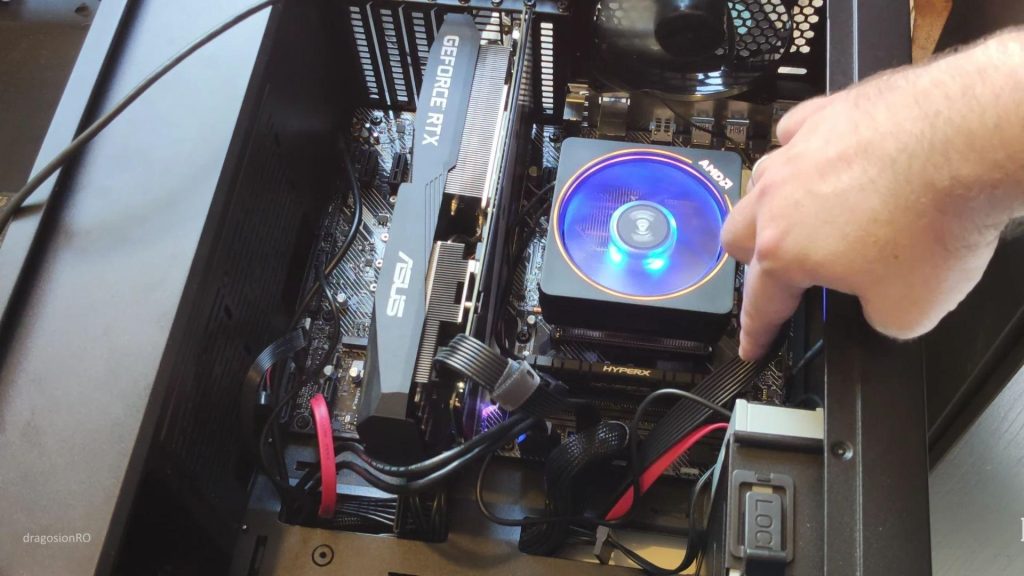
Option 2: Self-built (save $150–200)
Building in 2026 is easier than ever. Here’s a realistic $650–700 build:
- CPU: Ryzen 5 7500 ($160) or i5-14400 ($180)
- Motherboard: B650 ($120) or B550 ($80)
- GPU: RTX 4070 Super ($380) or RX 7700 XT ($350)
- RAM: 16GB DDR5 ($50) or DDR4 ($35)
- SSD: 1TB NVMe ($70)
- PSU: 700W 80+ Gold ($70)
- Case: Budget mesh with airflow ($60)
Total: ~$700–750
YouTube still has thousands of build guides. Pick one from a trusted channel (Gamers Nexus, Paul’s Hardware, LTT). Follow it step-by-step. You’ll be fine.
Monitor ($200–280): Your window to the game
2026 monitors are sharper, faster, and cheaper than 2024. Pick one:
1440p 144Hz+ IPS (~$240)
The sweet spot in 2026. Sharp visuals, smooth gameplay, colors that don’t look washed out. Games like Dragon’s Dogma 2, Alan Wake 2, and new releases look stunning at this spec.
Look for: LG 27GP850, ASUS PA278QV, Dell S2721DGF
1080p 240Hz+ TN (~$200)
Competitive gaming in 2026 is all 240Hz+. Valorant, CS2, Apex at 240 FPS feels buttery. TN panels still have worse colors, but response times are sub-1ms now.
Look for: ASUS VP28UQG, MSI Optix MAG241C, BenQ EL2870U
2026 take: 1440p 144Hz is still the better all-around choice. Your RTX 4070 Super will crush 1440p at high settings.
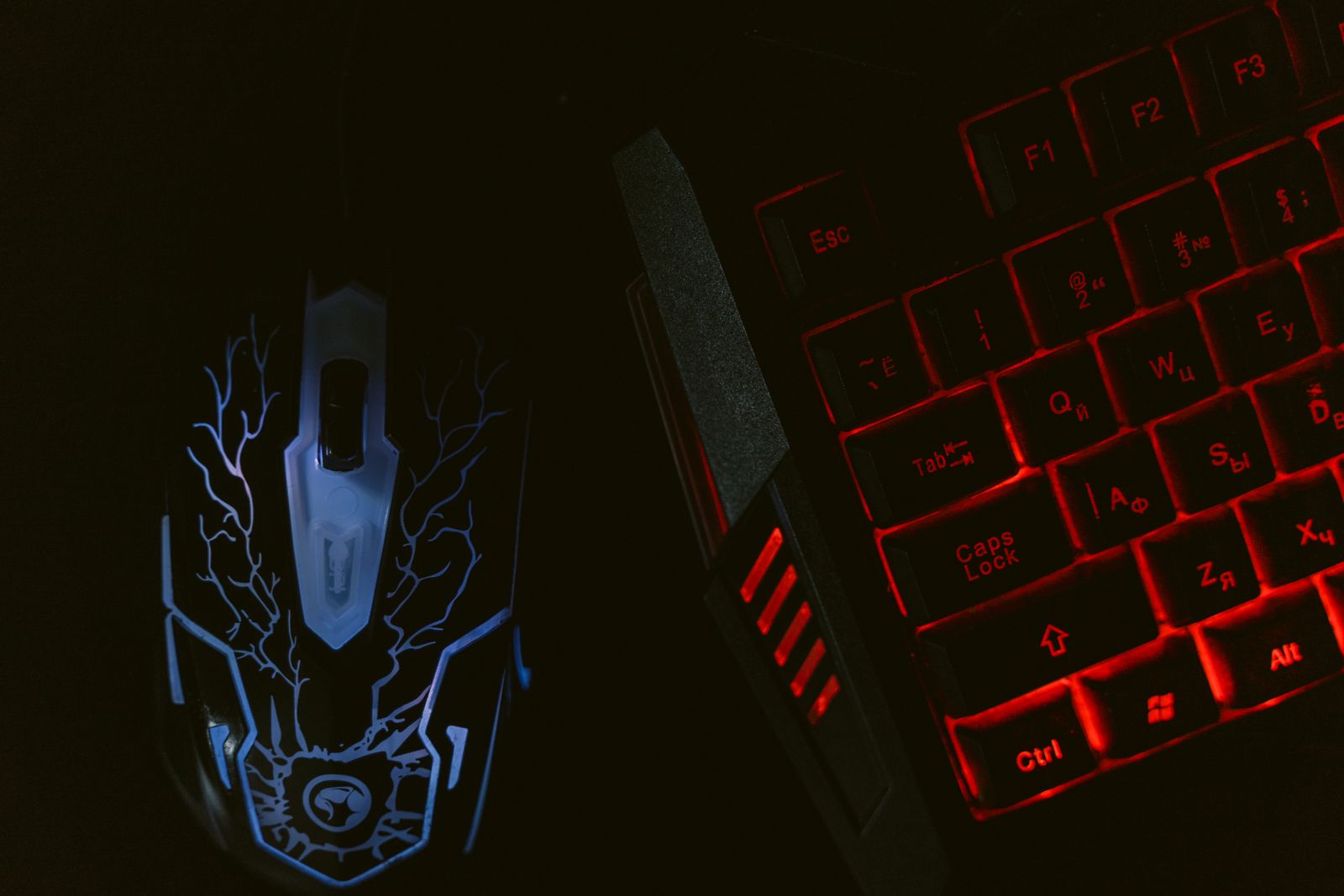
Keyboard ($60–90): Mechanical is standard now
In 2026, mechanical keyboards are the baseline, not luxury. Budget mechanical boards are better quality than ever.
What to get:
- Mechanical switches (hotswap, tactile or linear)
- Wireless option (2.4GHz for gaming, Bluetooth for desk)
- Decent stabilizers (pre-lubed or screw-in)
2026 budget recommendations:
Keychron C3 Pro ($85) – Hotswap, wireless, great stabs
Gateron Saturn Pro ($70) – Highly rated budget option
Royal Kludge RK84 ($75) – Compact 80%, solid quality
Real talk: Even budget mechanical keyboards in 2026 feel premium compared to gaming brand stuff. The $80 keyboard beats the $200 RGB gimmick board every time.
Mouse ($30–45): 8K polling is now budget standard
In 2026, 8K polling rate mice are common even at budget prices. Lighter weights. Better sensors. You don’t need to spend much to get quality.
2026 budget picks:
Glorious Model D 2 ($45) – Ultra light, 8K polling, proven design
Razer Viper Mini Signature ($40) – Ambidextrous, 30,000 DPI, responsive
SteelSeries Rival 5 ($35) – Budget king, surprisingly good
Pro move: Grab a solid $40 mouse now. Upgrade peripherals later. Your PC components matter way more.
Headphones/Headset ($45–70): Audio got better in 2026
2026 options are way better than 2024. You can get genuine quality at budget prices.
Gaming headset (~$60)
SteelSeries Arctis 5, HyperX Cloud Stinger 2S. Good mics, solid audio, plug-and-play. Built-in mics are finally decent in 2026.
Quality headphones + USB mic (~$65)
Audio-Technica ATH-M40x ($40) + Blue Yeti Nano ($25). Better sound, better mic clarity for teammates.
2026 recommendation: If you stream or care about audio quality, go headphones + mic. If you just want working audio, grab a headset.
Desk + Chair ($300–380): Ergonomics still matter
You’re sitting here for 8+ hours. Bad chair = back pain. In 2026, there are more options than ever, and used office furniture is still the best value.
Desk options in 2026
- IKEA Bekant ($100–130) – Still solid, still affordable
- Used office desk ($50–150) – Craigslist/Marketplace, best value
- Electric standing desk frame ($200–250) – 2026 prices are reasonable now
Chair options in 2026
- Used Herman Miller Aeron ($150–250) – Gold standard, worth it
- Budget gaming chair ($150–200) – Better quality than 2024 models
- Office depot/Staples mid-range ($120–180) – More reliable than gaming brands
2026 real talk: Used Herman Miller beats new gaming chair every day. Office furniture is engineered for 8-hour days. Your back is worth it.
The extras that matter
Monitor arm ($40–60): Frees desk space, improves posture, 2026 arms are solid
Cable management ($15–25): Velcro straps, clips, actually makes a difference
Mouse pad ($20–35): Good pad prevents arm strain, improves mouse tracking
Desk lamp with USB ($30–50): Reduces eye strain, some have built-in charging
Total extras: ~$105–170
Three sample $1500 builds for 2026
Build 1: Esports (Valorant, CS2, Apex – 240 FPS focus)
- PC: $750 (i5-14400 + RTX 4070 Super)
- Monitor: $200 (1080p 240Hz+)
- Keyboard: $75 (Keychron C3)
- Mouse: $40 (Glorious Model D 2)
- Headset: $60 (SteelSeries Arctis 5)
- Desk + Chair: $320 (IKEA desk + used office chair)
- Extras: $155
- **Total: $1500**
Build 2: AAA Gaming (Baldur’s Gate 3, Dragon’s Dogma 2 – 1440p high)
- PC: $800 (Ryzen 5 7500 + RTX 4070 Super)
- Monitor: $250 (1440p 144Hz)
- Keyboard: $80 (Gateron Saturn)
- Mouse: $40 (Razer Viper Mini)
- Headphones + mic: $65 (Audio-Technica + Blue Yeti)
- Desk + Chair: $340 (better chair)
- Extras: $135
- **Total: $1500**
Build 3: Balanced (everything solid)
- PC: $770 (i5-14400 + RTX 4070 Super)
- Monitor: $240 (1440p 144Hz)
- Keyboard: $85 (Keychron C3 Pro)
- Mouse: $42 (Glorious Model D)
- Headset: $55 (HyperX Cloud Stinger)
- Desk + Chair: $350 (decent everything)
- Extras: $158
- **Total: $1500**
Where to save (doesn’t affect performance)
- RGB lighting (still doesn’t improve FPS)
- Brand names (Corsair vs Keychron = same quality)
- Wireless peripherals (latency-free wired is fine)
- Multiple monitors (one great monitor > two okay ones)
- Premium cable sleeves (function > fashion)

Where NOT to cheap out in 2026
- GPU (most important for gaming)
- CPU (handles game logic and AI)
- Monitor (you stare at this 8+ hours)
- Chair (your health, literally)
- PSU (cheap one can destroy everything)
The $1500 budget is absolutely real in 2026
You can build a solid, future-proofed gaming setup for $1500. Zero compromises.
The 2026 advantage: Better GPUs at same price. DDR5 finally affordable. Mechanical keyboards are standard. Monitor prices are down. It’s a better time to build than 2024.
The trick: Skip the “gaming” branding. Gaming companies slap RGB on everything and charge 2x more. Buy actual quality components. Your PC will thank you.
Next step: Pick one of the builds above. Customize for YOUR games. Order the parts. Build it (or get pre-built). Start gaming. You absolutely can do this in 2026.
Building from scratch? Start with our complete gaming PC build guide for the full part-by-part breakdown.
Frequently Asked Questions
Can you really build a full gaming setup for $1,500 in 2026?
Yes — PC, monitor, keyboard, mouse, headset, and a basic desk setup all fit inside $1,500 with the budget breakdown in this guide.
Where should I NOT cut corners on a $1,500 budget?
PSU quality and monitor refresh rate. Both directly affect your day-to-day experience and are expensive to fix later.
Is it better to spend more on the PC or the peripherals?
The PC should get 55–60% of the budget. Underspending on the tower to buy flashier peripherals is a common and regrettable mistake.