Cooling your CPU is non-negotiable. The choice between air and liquid cooling is one of PC building’s most debated questions, and honestly? Both sides are partly right. Let’s look at actual numbers instead of forum arguments.
Air cooling: Simple and battle-tested
Air coolers use a heatsink block, base plate, and fans. That’s it. Copper/aluminum conducts heat away from your CPU. Fans blow air through fins to dissipate that heat. Simple. Proven. Boring. Perfect.
Why air coolers work
Quality air coolers like Noctua, be quiet!, and Arctic cost $30-70 and run reliably for 10+ years without maintenance.
Pros:
- Maintenance-free (no pumps to fail)
- No leak risk
- Cheap compared to AIO
- Extremely reliable (10+ years lifespan)
- Quieter at idle/low load
Cons:
- Larger physical footprint
- Can be noisy if pushed to limits
- Limited aesthetic options
- Might block RAM slots (huge tower coolers)
Liquid cooling: Efficiency and looks
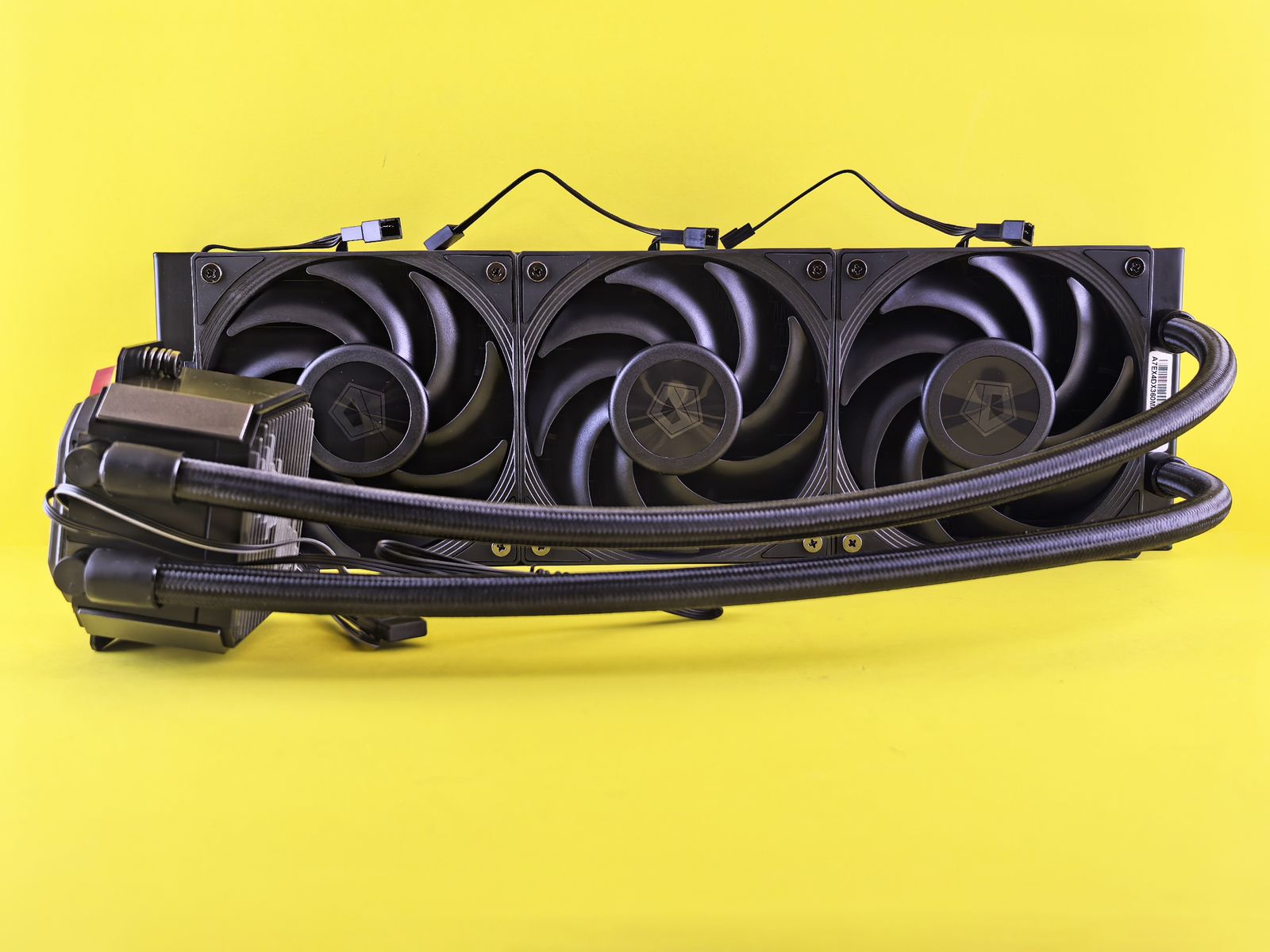
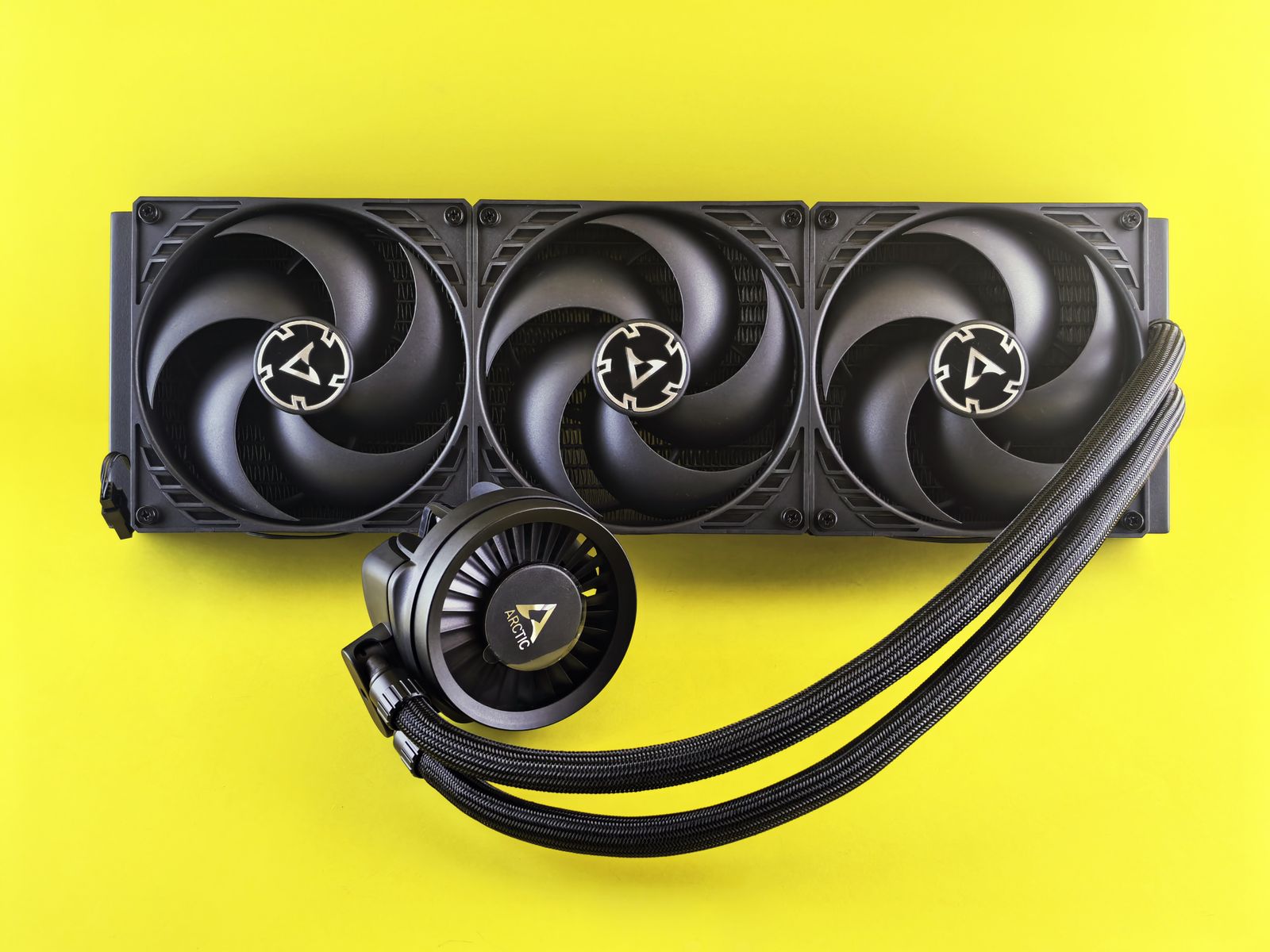
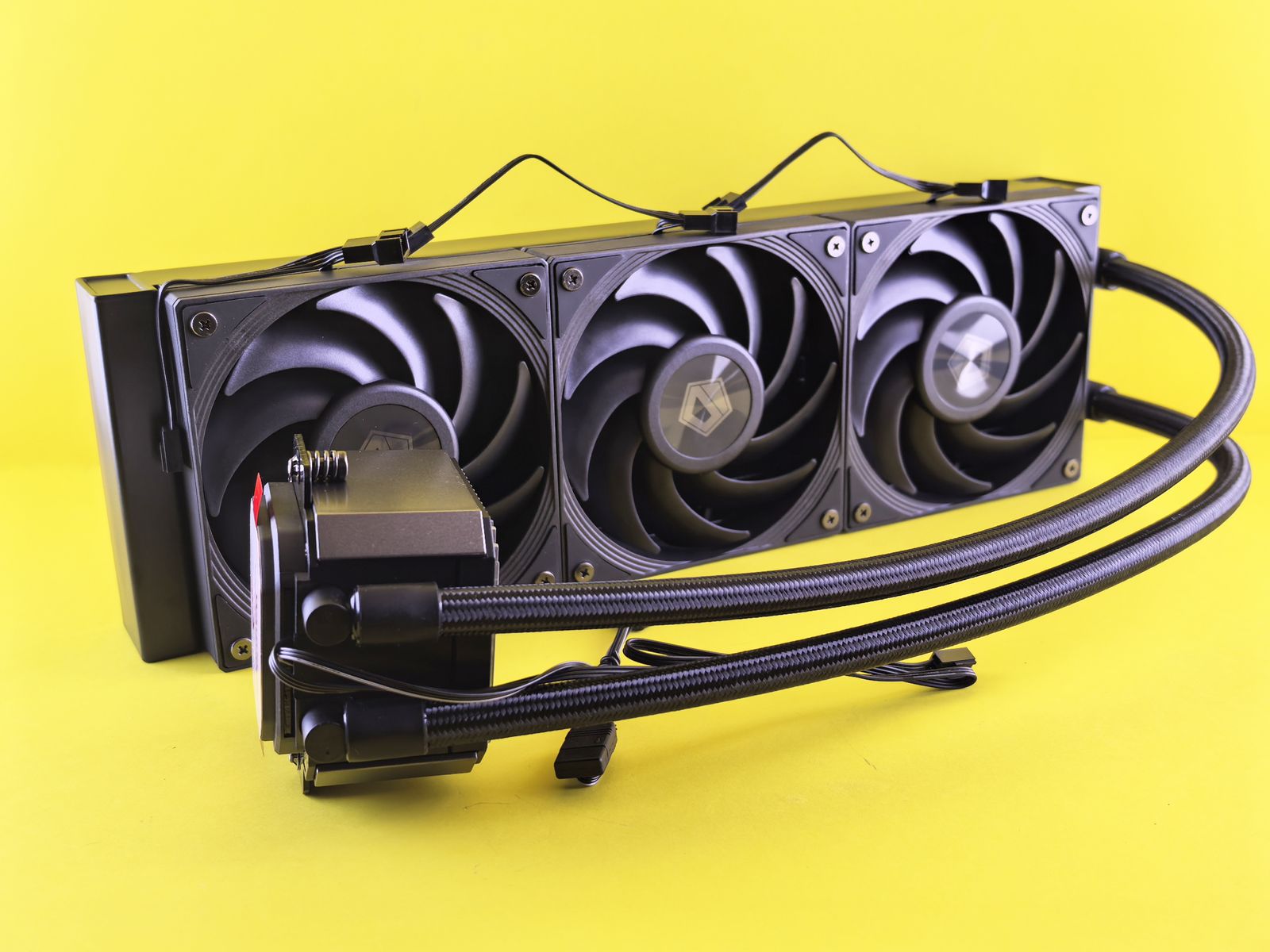
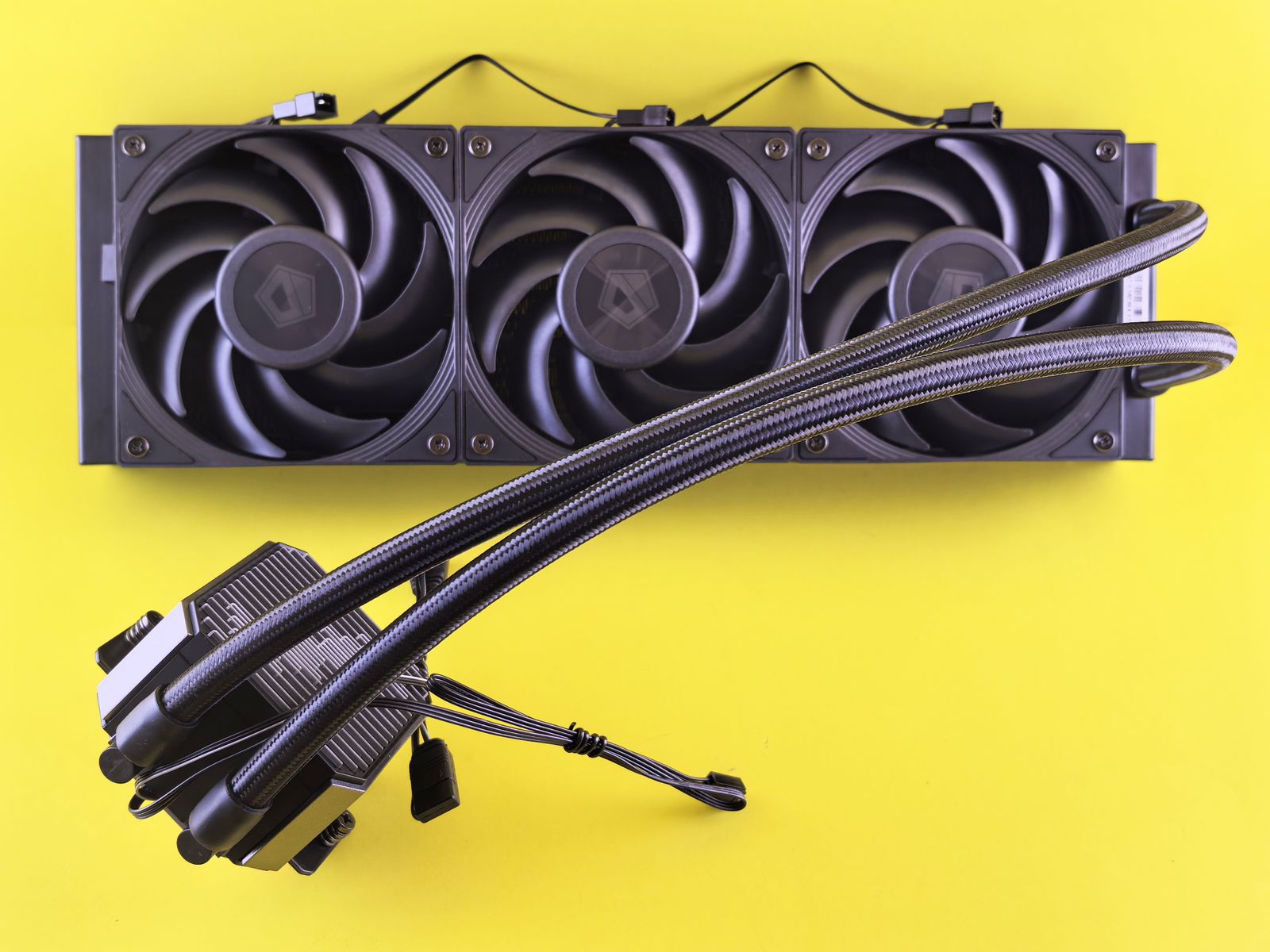
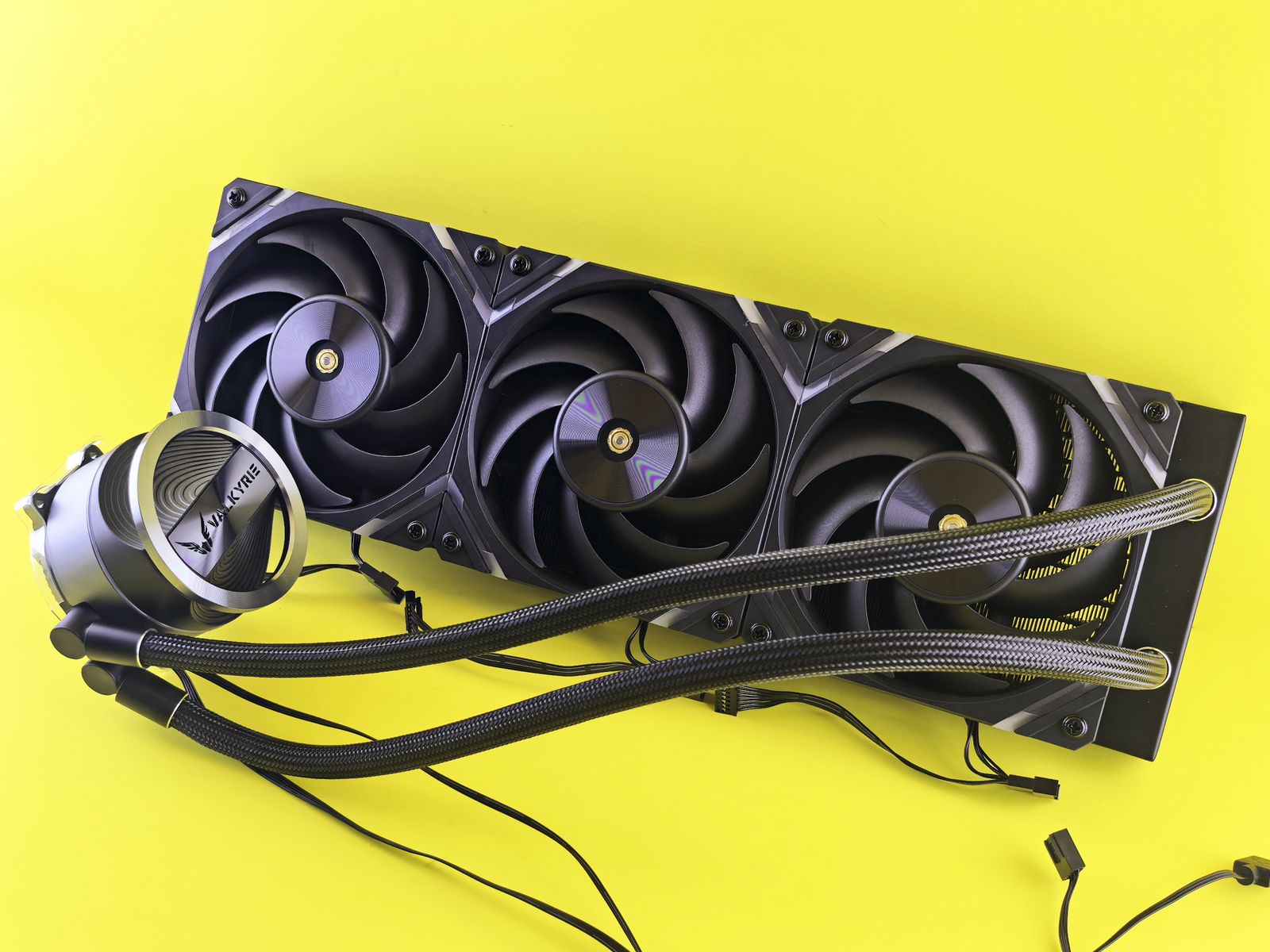
Liquid coolers pump cooled water through a block attached to your CPU, absorbing heat and carrying it to a radiator where fans dissipate it. Modern liquid coolers are sealed all-in-one units (AIO). No custom loop complexity.
Why AIO coolers exist
They look premium and cool better. That’s the honest pitch.
Pros:
- Better thermal performance (5-10°C cooler)
- Much quieter at equivalent cooling
- Looks way better (RGB, cable routing)
- Doesn’t block RAM like towers do
- Better for tight cases
Cons:
- Pump wears out (typically 5-7 years)
- Needs occasional maintenance (check water level)
- More expensive ($120-250)
- Tiny leak risk (extremely rare with modern AIOs)
- Replacement is full unit cost
Real temperature comparison
Testing the same CPU (Ryzen 7 7700X) with same thermal load: Air cooler (high-end Noctua): 62-68°C under load, 45-50 dB noise, Completely silent at idle. AIO liquid (240mm premium): 55-62°C under load, 35-42 dB noise, Can be audible at idle depending on pump.
The AIO is 5-10°C cooler and 10 dB quieter. But the air cooler will still be running perfectly in 10 years. The AIO’s pump might need replacing in 5-7 years.
Longevity reality check
Air coolers degrade gradually as dust accumulates. Cleaning the heatsink fins every 6-12 months keeps them running perfectly. A properly maintained air cooler runs forever. AIO pump performance degrades over time. Not catastrophically, but around year 5-7 you’ll notice cooling dropping by 5-10°C. By year 7-8, the pump might fail completely. Replacement costs $100-200, nearly as much as the original.
Noise considerations
Stock coolers are loud. Aftermarket air coolers are much quieter. Liquid coolers are quieter still at full load, but pump noise can be annoying at idle. For a silent build, liquid cooling wins. For someone indifferent to noise, air cooling is cheaper and lasts longer.
The bottom line
Budget build: Aftermarket air cooler ($40-60) beats any $150 AIO. Silent focused build: AIO liquid cooler ($120-150). Balanced build: Quality air cooler ($60-80). High-end build: Premium AIO ($180-250) for combo of performance and aesthetics. Long-term value: Air cooler wins after 5+ years.
Building from scratch? Start with our complete gaming PC build guide for the full part-by-part breakdown.
Frequently Asked Questions
Is AIO liquid cooling better than air cooling?
Not objectively — AIOs look better and can be quieter under sustained high load, but air coolers are cheaper, have zero leak risk, and last a decade with no maintenance.
Do AIO coolers eventually fail?
The pump can, eventually. It’s a moving part with a finite lifespan, unlike a passive air cooler which has no pump to wear out.
Which cooling type is better for a first build?
Air cooling, in most cases — it’s simpler to install, cheaper, and removes one more thing that can go wrong on your first build.